
Sedang mencari paket wisata Jogja Gunung Kidul yang memberikan layanan premium? Kami adalah solusi tepat untuk Anda. Dengan beragam pilihan paket wisata Jogja Gunung Kidul, kami menawarkan fasilitas menarik dengan harga terjangkau.
Paket Wisata Jogja Gunung Kidul 1 Hari
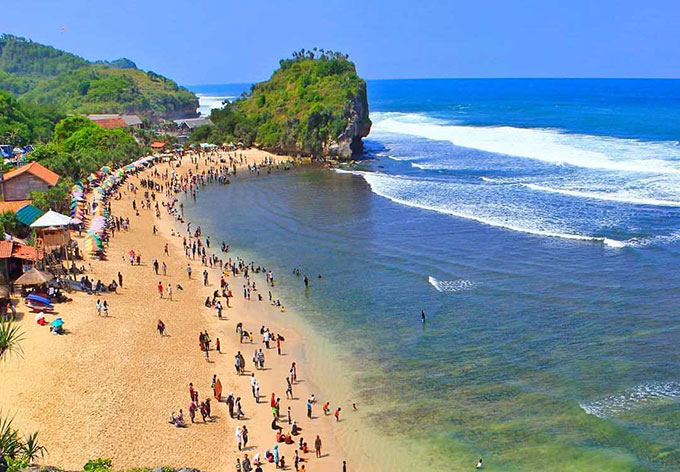
Untuk Anda yang berminat mengunjungi tempat-tempat wisata Gunung Kidul terbaru, kami telah menyiapkan beragam destinasi dalam paket tour jogja 1 hari saja. Berikut ini adalah rute-rute yang bisa Anda dapatkan dari wisata baru Gunung Kidul:
- Rute 1: Goa Pindul – Pantai Indrayanti – Pantai Sadranan Snorkeling Rp 599.000
- Trip 2: Pantai Baron – Embung Sriten Nglanggeran – Pantai Krakal – Embung Sriten Nglanggeran – Heha Sky View Rp 599.000
- Rute 3: Pantai Timang – Goa Jomblang – Heha Sky View Rp599.000
- Trip 4: Gua Rancang – Air Terjun Sri Gethuk Rp549.000
- Rute 5: Gua Pindul – Gunung Api Purba Nglanggeran Rp549.000
- Trip 6: Pantai Nguluran – Pantai Ngrawe – Heha Sky View Rp599.000
- Rute 7: Pantai Baron – Pantai Kukup – Pantai Krakal – Pantai Indrayanti Rp599.000
- Trip 8: Goa Kalisuci – Gua Jomblang Rp549.000
- Rute 9: Pantai Timang – Goa Jomblang Rp549.000
- Trip 10: Pantai Timang – Gua Pindul Rp.549.000
- Rute 11: Pantai Wediombo – Pantai Indrayanti – Pantai Drini Rp599.000
- Trip 12: Pantai Sepanjang – Goa Pindul Rp549.000
- Rute 13: Pantai Timang – Pantai Ngobaran – Pantai Nglambor Rp599.000
- Trip 14: Pantai Nguluran Teras Kaca – Pantai Nglambor – Pantai Ngrenehan Rp599.000
- Rute 15: Goa Maria Tritis – Pantai Krakal – Heha aku view Rp599.000
- Trip16: Goa Maria Tritis – Goa Maria Rosario Ngijon – Gua Maria Giri Wening Rp599.000
Paket wisata gunung kidul sudah termasuk homestay di Jogja.
Paket 2 Hari 1 Malam Wisata Gunung Kidul
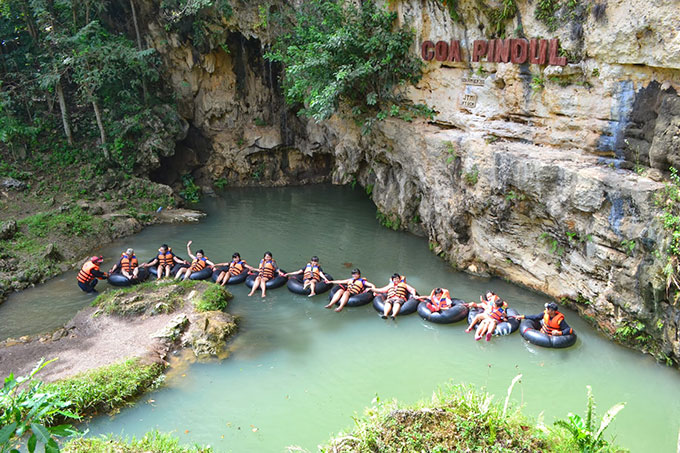
Selain paket 1 wisata 1 hari, Anda juga dapat memean paket 2 hari 1 malam. Untuk rute wisatanya, Anda dapat mengikuti rute kami yaitu:
- Hari pertama: Pantai Dribi – Goa Pindul – Pantai Baron (Jeep Tour)
- Hari kedua: Gondola Pantai Timang – Sungai Kalisuci – Embung Nglanggeran – Heha Sky View Sunset.
Jika Anda tidak berkenan dengan rute yang kami sediakan, Anda juga bisa mengirim destinasi wisata Anda untuk meminta kustomisasi paket.
Biaya paket wisata Gunung Kidul terbaru ini mulai dari Rp1.200.000.
Destinasi Tambahan
Anda dapat menambahkan beberapa lokasi wisata di bawah ini ke dalam itinerary paket menggunakan sewa mobil jogja. Apa saja objek wisata yang tersedia di seputar Gunung Kidul?
- Andong Beach
- Pantai Ngobaran
- Pantai Sundak
- Drini Beach
Fasilitas Paket Wisata Gunung Kidul
Harga paket di atas merupakan harga per pax dan sudah include fasilitas di bawah ini:
- Armada transportasi mobil dengan jenis Avanza. Namun, kami juga menyediakan armada lain seperti hiace dan minibus dengan biaya menyesuaikan. Silakan hubungi customer service untuk info lebih lanjut.
- Fasilitas mobil menggunakan Air Conditioner.
- Driver berpengalaman yang sudah menguasai rute wisata Gunung Kidul.
- Bahan bakar kendaraan.
- Pengantaran ke pusat pembelian oleh-oleh khas wisata baru di Gunung Kidul.
Harga paket belum termasuk:
- Biaya parkir di lokasi wisata
- HTM objek wisata baru di Gunung Kidul
- Makan dan minum sopir selama perjalanan.
Syarat dan Ketentuan Pemesanan Paket Wisata Gunung Kidul
Berikut ini merupakan beberapa ketentuan penting tour Gunung Kidul terbaru:
- Harga paket 1 hari berlaku untuk durasi 12 jam. Jika ada kelebihan waktu maka Anda harus membayar fee sebesar 10% untuk setiap tambahan jam.
- Harga paket dapat berubah sewaktu-waktu sesuai dengan kondisi musim liburan. Oleh karena itu, kami menyarankan agar Anda memesan paket dari jauh hari.
- Jam kerja untuk paket 1 hari akan mulai dari pukul 06.00 WIB hingga 23.00 WIB kecuali jika Anda memakai paket Anda memberikan down payment sebesar 50% dari harga paket.
- Pelunasan maksimal H-3 sebelum tanggal tour.
- Jika ada pembatalan, DP tidak kembali.
- Denda 25% untuk pembatalan 2 hari sebelum tanggal perjalanan. Sedangkan untuk pembatalan 1 hari sebelum tanggal, Anda harus membayar denda sebesar 100%.
Cara Memesan Paket Wisata Jogja Gunung Kidul
Ini adalah langkah mudah yang dapat Anda lakukan untuk memesan paket wisata kami.
- Pertama-tama, Anda dapat menghubungi customer service untuk membahas tanggal perjalanan serta ketersediaan armada.
- Kemudian, customer service kami akan meminta Anda untuk mengisi formulir yang tersedia.
- Selanjutnya, Anda harus mengirimkan down payment sebesar 50%.
- Kemudian, customer service akan memberitahu Anda kapan Anda harus melakukan pelunasan.
- Setelahnya Anda sudah bisa tenang karena kami akan mengatur rencana perjalanan wisata baru di Gunung Kidul dengan aman dan menyenangkan.
Tips Memilih Destinasi Wisata Gunung Kidul
Wisata Gunung Kidul terdiri dari berbagai macam destinasi yang masing-masingnya punya daya tarik tersendiri. Oleh karena itu, seringkali pelanggan bingung dalam menentukan rute perjalanan yang terbaik bagi mereka.
Agar Anda tidak salah langkah, kami punya beberapa tips sewa bus murah di jogja yang dapat Anda terapkan saat menyusun rute wisata baru di Gunung Kidul.
Buka Google Map
Anda bisa melakukan navigasi jarak antara destinasi wisata melalui Google Map untuk merancang trip agar lebih efektif waktu.
Jangan Segan Bertanya pada CS!
Selain itu, customer service kami juga akan memberikan saran efektif mengenai destinasi wisata yang hendak Anda kunjungi.
Cek Waktu
Carilah informasi mengenai waktu yang perlu Anda habiskan untuk dapat menikmati objek wisata secara maksimal. Jangan sampai Anda salah menyusun itinerary dan membuat wisata Anda terasa terlalu singkat.
Kesimpulan
Kami menyediakan paket wisata Jogja Gunung Kidul dengan harga bersahabat dan rute paling banyak. Segera pilih perjalanan tipe Anda dan hubungi customer service kami!